

When it comes to navigating public transportation with a baby, one of the most pressing questions for parents is whether they can use a hands - free baby carrier package. As a supplier of Hands Free Baby Carrier Package, I've seen firsthand the concerns and queries that parents have in this regard. In this blog, I'll delve into the feasibility, benefits, and potential considerations of using such carriers on public transport.
Feasibility of Using Hands - Free Baby Carrier Package on Public Transportation
The short answer is yes, in most cases, you can use a hands - free baby carrier package on public transportation. Public transportation systems, such as buses, trains, and subways, are designed to accommodate a diverse range of passengers, including those traveling with infants. Hands - free baby carriers offer a practical solution for parents as they allow for easy movement while keeping the baby secure.
These carriers are designed to distribute the baby's weight evenly across the parent's body, reducing strain and making it possible to hold onto handrails or navigate through crowded spaces. For instance, a Baby Hip Carrier provides a stable and comfortable way to carry the baby on the hip, leaving one hand free to manage other tasks like holding a ticket or a bag.
Benefits of Using Hands - Free Baby Carrier Package on Public Transport
Mobility and Convenience
One of the primary advantages of using a hands - free baby carrier package on public transportation is the enhanced mobility it offers. Parents can move freely through the vehicle, find a seat, or get off at their stop without having to juggle a bulky stroller. This is especially beneficial during peak hours when the train or bus is crowded, and maneuvering a stroller can be challenging.
Safety
A well - designed hands - free baby carrier provides a secure and safe way to transport the baby. The carrier keeps the baby close to the parent's body, reducing the risk of the baby being jostled or falling during sudden stops or starts. Moreover, it allows the parent to have better control over the baby's position and well - being.
Comfort for the Baby
Babies often find the close contact and gentle movement in a carrier soothing. The rhythmic motion of the public transport can lull the baby to sleep, providing a comfortable and familiar environment for them. This is in contrast to a stroller, where the baby may be more exposed to the elements and the jolts of the ride.
Social Interaction
When using a hands - free baby carrier, the baby is at eye - level with the parent, which promotes social interaction. The baby can see the parent's face, hear their voice, and feel their warmth. This is important for the baby's emotional and cognitive development.

Types of Hands - Free Baby Carrier Packages Suitable for Public Transport
Baby Carrier Wrap
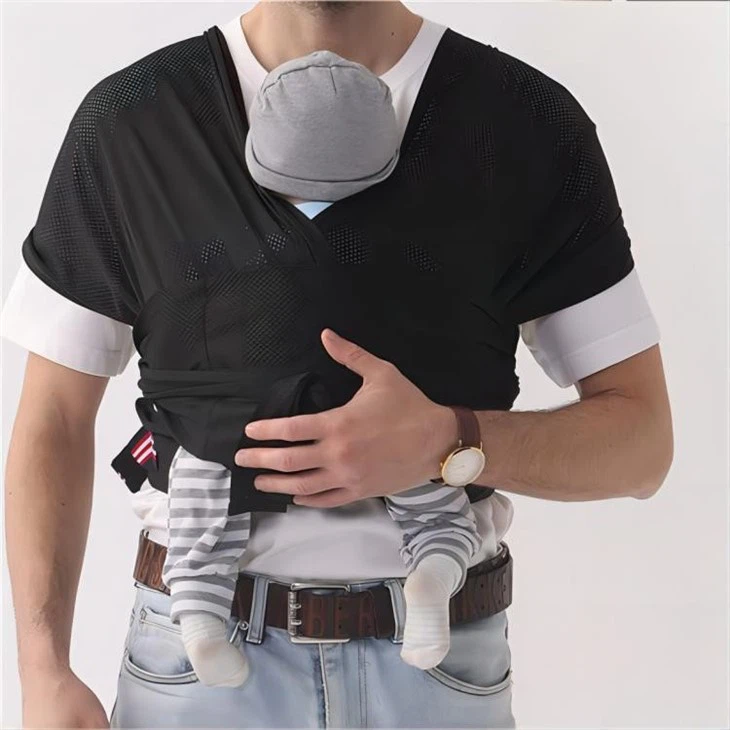
A Baby Carrier Wrap is a versatile option for public transportation. It is made of a long piece of fabric that can be wrapped around the parent's body in various ways to create a secure and comfortable pouch for the baby. The wrap conforms to the body's shape, providing excellent support for the baby. It is also easy to fold and carry in a bag when not in use.
Hands Free Baby Carrier Package
Our Hands Free Baby Carrier Package is specifically designed to meet the needs of parents on the go. It combines the features of different carriers to provide maximum comfort and convenience. The package may include a carrier that can be adjusted for different carrying positions, such as front - facing, rear - facing, and hip - carrying. It also often comes with additional accessories like a head support and a storage pocket.
Considerations When Using Hands - Free Baby Carrier Package on Public Transport
Hygiene
Public transportation can be a breeding ground for germs. It's important to keep the baby carrier clean. Regularly wash the carrier according to the manufacturer's instructions. You may also want to consider using a removable and washable liner for added hygiene.
Space and Etiquette
While hands - free carriers are more compact than strollers, it's still important to be mindful of other passengers. Make sure you don't take up more space than necessary and be considerate of those around you. If the vehicle is crowded, try to position yourself in a way that doesn't obstruct the aisle or cause inconvenience to others.
Safety Regulations
Some public transportation systems may have specific safety regulations regarding the use of baby carriers. It's a good idea to check with the local transport authority before traveling. For example, in some areas, there may be restrictions on the type of carrier or the age of the baby for which it can be used.
Maintenance and Care of Hands - Free Baby Carrier Package
To ensure the longevity and safety of your hands - free baby carrier package, proper maintenance is essential. Here are some tips:
- Regular Cleaning: As mentioned earlier, clean the carrier regularly. Most carriers can be machine - washed on a gentle cycle using mild detergent. Make sure to air - dry the carrier to prevent damage.
- Inspect for Wear and Tear: Before each use, check the carrier for any signs of wear and tear, such as frayed straps or loose stitching. If you notice any issues, replace the carrier or have it repaired immediately.
- Store Properly: When not in use, store the carrier in a cool, dry place. Avoid folding it in a way that could damage the fabric or the structure of the carrier.
Conclusion
Using a hands - free baby carrier package on public transportation is not only feasible but also offers numerous benefits for both parents and babies. It provides mobility, safety, and comfort, making the journey more enjoyable. As a supplier of Hands Free Baby Carrier Package, I understand the importance of providing high - quality products that meet the needs of parents on the go.
If you're interested in learning more about our hands - free baby carrier packages or are considering a bulk purchase for a retail store or a daycare center, we'd love to hear from you. Contact us to start a conversation about how our products can meet your specific requirements. We're committed to providing the best solutions for transporting your little ones safely and comfortably.
References
- American Academy of Pediatrics. (2023). Safe Sleep for Babies.
- National Highway Traffic Safety Administration. (2023). Child Passenger Safety.


