

As a supplier of baby hip carriers, I understand the paramount importance of ensuring that these products offer the utmost comfort for babies. A comfortable baby hip carrier not only provides a cozy and secure environment for the little ones but also gives parents peace of mind while on the go. In this blog post, I will share some valuable insights on how to make a baby hip carrier more comfortable for the baby.
Choose the Right Material
The material of the baby hip carrier plays a crucial role in determining the comfort level. Opt for soft, breathable, and hypoallergenic fabrics that are gentle on the baby's delicate skin. Materials like cotton are excellent choices as they are natural, absorbent, and allow air circulation, preventing the baby from feeling hot and sweaty. Avoid using materials that are rough, scratchy, or prone to causing skin irritation.
Our Hook and Loop Design Baby Sling is made from high - quality cotton fabric. The soft texture provides a gentle touch against the baby's skin, ensuring maximum comfort during long - term use. The breathable nature of the cotton also helps to regulate the baby's body temperature, keeping them cool and dry.
Ensure Proper Fit
A well - fitting baby hip carrier is essential for the baby's comfort. It should be adjustable to accommodate the baby's growing size. Look for carriers with adjustable straps, waistbands, and leg openings. This allows you to customize the fit according to the baby's body shape and size.
When the carrier is too loose, the baby may slide around, which can be uncomfortable and even pose a safety risk. On the other hand, a carrier that is too tight can restrict the baby's movement and cause discomfort. Make sure to follow the manufacturer's sizing guidelines and adjust the carrier accordingly.
Our Front and Back Baby Waist Stool features adjustable straps that can be easily customized to fit different body sizes. Whether your baby is a newborn or a few months old, you can adjust the carrier to provide a snug and comfortable fit.
Provide Adequate Support
Babies have developing spines and muscles, so it is crucial to choose a baby hip carrier that provides adequate support. The carrier should support the baby's head, neck, and back in a natural position. Look for carriers with built - in headrests and lumbar support.
The seat of the carrier should also be designed to distribute the baby's weight evenly. A well - designed seat helps to reduce pressure on the baby's hips and legs, preventing discomfort and potential hip problems.
Our Multi - Functional Baby Waist Stool is engineered to provide excellent support for the baby. It has a contoured seat that cradles the baby's body in a natural position, and the adjustable headrest ensures proper support for the baby's head and neck.
Consider the Carrier's Design
The design of the baby hip carrier can significantly impact the baby's comfort. A carrier with a simple and ergonomic design is often more comfortable for the baby. Avoid carriers with complex buckles or straps that may dig into the baby's skin.

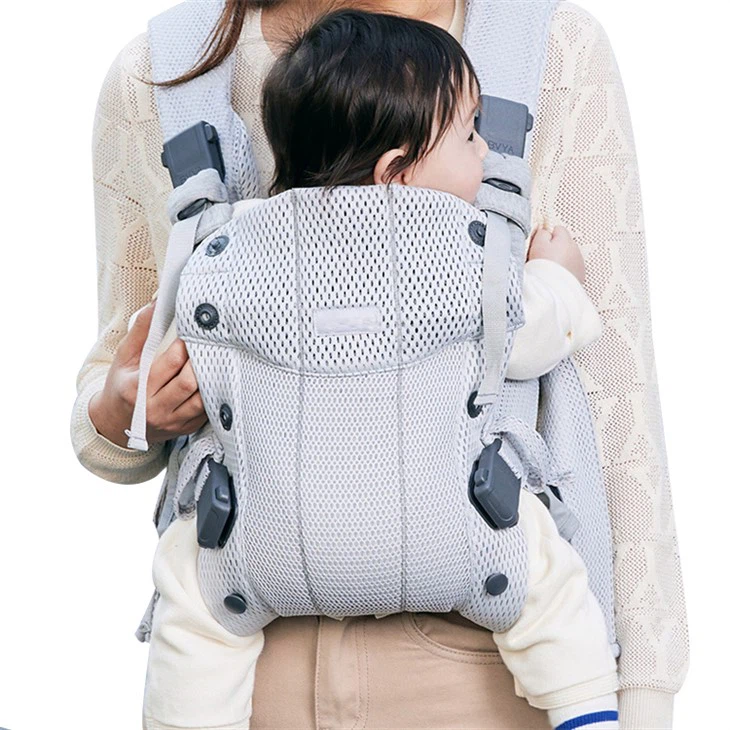
Some carriers also come with additional features such as padded shoulder straps and waistbands. These features can enhance the comfort for both the baby and the caregiver. Padded straps reduce pressure on the shoulders and waist, making it easier to carry the baby for extended periods.
Keep the Carrier Clean
A clean baby hip carrier is not only hygienic but also more comfortable for the baby. Regularly wash the carrier according to the manufacturer's instructions. This helps to remove dirt, sweat, and bacteria that can accumulate over time.
Using a mild detergent and cold water is usually recommended to prevent damage to the fabric. Make sure to dry the carrier thoroughly before using it again.
Pay Attention to the Baby's Position
How you position the baby in the carrier can also affect their comfort. Place the baby in a sitting position with their legs straddled around the carrier's seat. This position is more natural for the baby's hips and helps to prevent hip dysplasia.
Avoid positioning the baby in a slouched or hunched position, as this can put unnecessary strain on their back and neck. Make sure the baby's head is supported and their body is in an upright and comfortable position.
Conclusion
Making a baby hip carrier more comfortable for the baby involves a combination of factors, including choosing the right material, ensuring proper fit, providing adequate support, considering the design, keeping it clean, and paying attention to the baby's position. As a baby hip carrier supplier, we are committed to providing high - quality products that prioritize the comfort and safety of babies.
If you are interested in our baby hip carriers and would like to discuss procurement options, please feel free to reach out to us. We are more than happy to answer any questions you may have and work with you to meet your needs.
References
- American Academy of Pediatrics. (2019). Safe Sleep for Your Baby.
- World Health Organization. (2020). Infant and Young Child Feeding.
- International Hip Dysplasia Institute. (2021). Carrying Your Baby Safely.


