

As a supplier of baby hip carriers, ensuring the safety and comfort of babies is our top priority. One of the most common concerns among parents is how to prevent a baby from slipping out of a hip carrier. In this blog post, I'll share some practical tips and insights based on our experience in the industry.
Choose the Right Hip Carrier
The first step in preventing a baby from slipping out is to select the appropriate hip carrier. Our product range includes various types of carriers, each designed with specific features to enhance safety and comfort.
The Front and Back Baby Waist Stool is a versatile option that allows you to carry your baby in both front and back positions. It has a sturdy frame and adjustable straps, which can be tightened to fit your baby securely. The wide seat provides ample support for the baby's bottom, reducing the risk of slipping.
The One Shoulder Baby Half Wrap Hip Carrier is another popular choice. It wraps around your waist and over one shoulder, providing a snug fit. The soft fabric conforms to your body and the baby's, ensuring a comfortable and secure carry. This type of carrier is especially suitable for smaller babies as it offers more support around the torso.
For those who need a more functional carrier, the Multi-Functional Baby Waist Stool is an excellent option. It can be used in multiple positions, including sitting and standing, and has additional features such as pockets for storing essentials. The adjustable straps and padded seat make it a safe and comfortable choice for both the baby and the caregiver.
Proper Adjustment of the Carrier
Once you've chosen the right hip carrier, it's crucial to adjust it properly to ensure a secure fit. Here are some key points to keep in mind:
- Strap Tightness: All straps should be tightened to fit your body and the baby's snugly. However, make sure not to over-tighten them, as this can cause discomfort for both you and the baby. The straps should be firm enough to hold the baby in place but still allow for some movement.
- Seat Position: The seat of the carrier should be positioned correctly under the baby's bottom. It should be wide enough to support the baby's thighs and prevent them from slipping through. The baby's legs should be bent at the knees and spread slightly apart, with the feet resting on the sides of the seat.
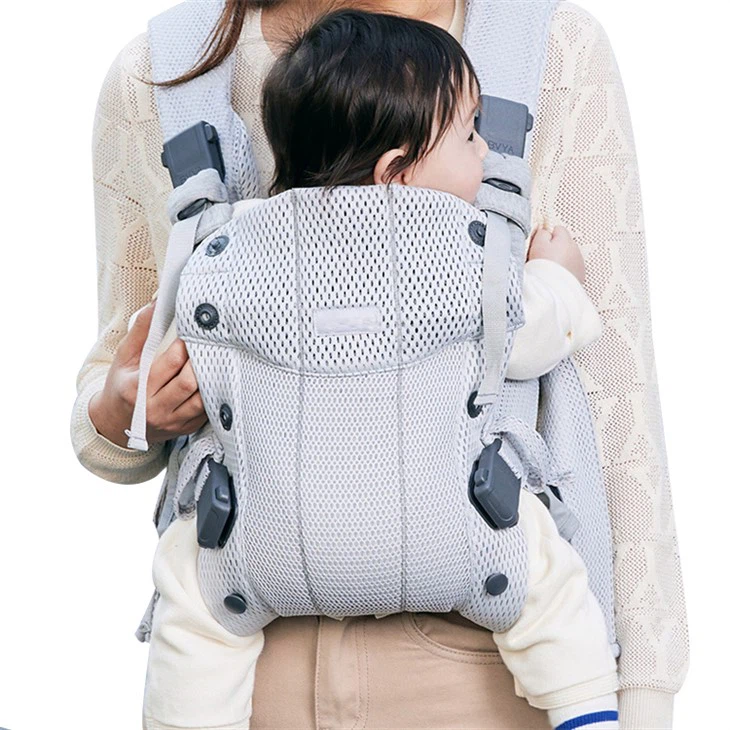
- Torso Support: The carrier should provide adequate support for the baby's torso. The backrest should be adjusted to keep the baby's back straight and upright. This helps to maintain proper spinal alignment and reduces the risk of the baby slumping forward or slipping out.
Use Safety Features
Most of our baby hip carriers are equipped with safety features designed to prevent the baby from slipping out. Here are some common safety features and how to use them:
- Safety Buckles: Make sure all safety buckles are securely fastened. Double-check them before you start carrying the baby to ensure they won't come undone accidentally.
- Anti-Slip Straps: Some carriers have anti-slip straps or grips on the shoulder or waist straps. These help to keep the carrier in place and prevent it from sliding off your body.
- Chest Clip: If the carrier has a chest clip, adjust it to the appropriate height on the baby's chest. This helps to keep the baby's upper body in place and reduces the risk of the baby slipping out through the top of the carrier.
Check the Baby's Position Regularly
Even with a well-fitted carrier and safety features in place, it's important to check the baby's position regularly. Here's why:
- Movement: Babies are constantly moving, and their position in the carrier may change over time. Regularly checking the baby's position allows you to make any necessary adjustments to keep them safe and comfortable.
- Growth: As the baby grows, their body shape and size will change. You may need to readjust the carrier to ensure a proper fit.
Train Yourself to Carry the Baby Safely
Carrying a baby in a hip carrier requires some practice and skill. Here are some tips to help you carry the baby safely:
- Proper Lifting: When lifting the baby into the carrier, make sure to support their head and neck. Bend your knees and use your legs to lift the baby, rather than straining your back.
- Balanced Posture: Maintain a balanced posture while carrying the baby. Keep your feet shoulder-width apart and your back straight. This helps to distribute the weight evenly and reduces the risk of falling or dropping the baby.
- Avoid Sudden Movements: Sudden movements can startle the baby and cause them to shift in the carrier. Try to move slowly and smoothly when carrying the baby.
Educate Parents and Caregivers
As a supplier, we have a responsibility to educate parents and caregivers about the proper use of our baby hip carriers. We provide detailed instructions and user manuals with each carrier, but it's also important to offer additional support and guidance. Here are some ways we can do this:

- Online Resources: We have an online platform where parents can find information about our products, including how to choose the right carrier, how to adjust it properly, and how to use the safety features.
- Customer Support: Our customer support team is available to answer any questions parents may have about our products. We can provide personalized advice and guidance based on the specific needs of the baby and the caregiver.
- In-Store Demonstrations: We offer in-store demonstrations of our baby hip carriers to show parents how to use them safely and effectively. This hands-on approach allows parents to see the features of the carrier in action and ask questions directly.
Conclusion
Preventing a baby from slipping out of a hip carrier is essential for the safety and well-being of the baby. By choosing the right carrier, adjusting it properly, using safety features, checking the baby's position regularly, training yourself to carry the baby safely, and educating parents and caregivers, we can minimize the risk of accidents and ensure a safe and comfortable carrying experience for everyone.
If you're interested in purchasing our baby hip carriers or have any questions about our products, please don't hesitate to contact us. We're here to help you find the best carrier for your needs and ensure the safety of your little one.
References
- American Academy of Pediatrics. (2023). Safe Sleep for Your Baby.
- Consumer Product Safety Commission. (2023). Baby Carriers: Safety Tips.


