

Hey there, fellow parents and caregivers! As someone who runs a baby wrap carrier supply business, I know firsthand how overwhelming it can be to choose the right baby carrier. There are so many options out there, each with its own features, benefits, and drawbacks. But don't worry, I'm here to help you navigate through the sea of choices and find the perfect baby wrap carrier for you and your little one.
First things first, let's talk about why you might want to use a baby wrap carrier in the first place. Baby wearing has been around for centuries and is a great way to keep your baby close, provide comfort, and free up your hands. It can also help with bonding, reduce crying, and even promote better sleep. Plus, it's a convenient way to get around with your baby, whether you're running errands, going for a walk, or traveling.
Now, let's dive into the factors you should consider when choosing a baby wrap carrier.
1. Age and Weight of Your Baby
One of the most important things to consider is the age and weight of your baby. Different carriers are designed for different age and weight ranges, so it's crucial to choose one that is safe and suitable for your little one.
Newborns (up to 3 - 4 months) typically need a carrier that provides good head and neck support. Soft-structured carriers, wraps, and slings are great options for newborns as they can cradle the baby in a snug and secure position. As your baby grows and gains more head control, you can start to explore other types of carriers.
For older babies and toddlers, carriers with more support and adjustability are often a better choice. You might want to look into carriers that can be worn on the front, back, or hip, depending on your baby's preference and your needs.
2. Comfort for You and Your Baby
Comfort is key when it comes to baby wearing. You'll be spending a lot of time with your baby in the carrier, so you want to make sure it's comfortable for both of you.
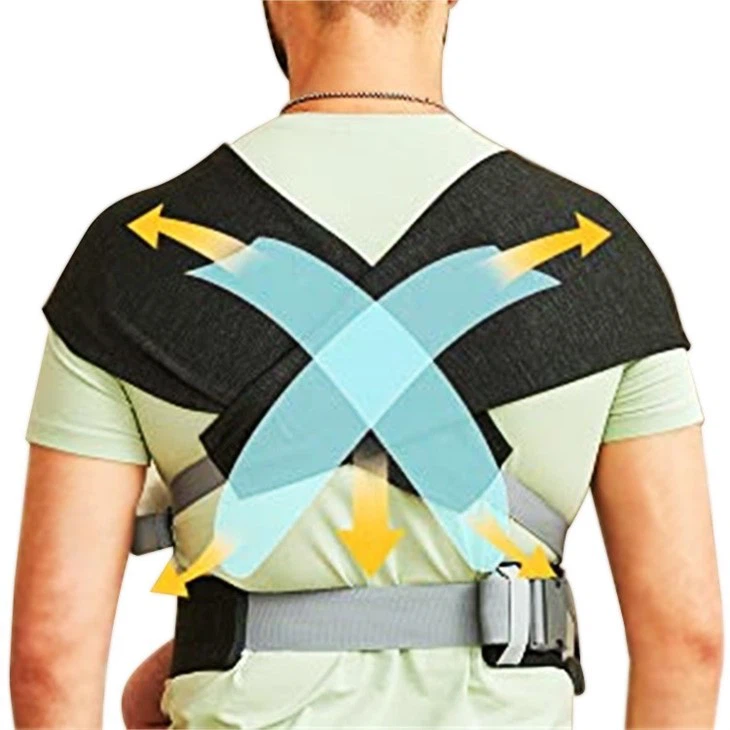
Look for carriers made from soft, breathable materials that won't irritate your baby's skin. Adjustable straps are also important as they allow you to customize the fit and distribute the weight evenly across your body. A well - fitting carrier should feel snug but not too tight, and it should support your baby's body in a natural, ergonomic position.
Some carriers come with additional features like padded shoulder straps, waist belts, and lumbar support, which can make a big difference in your comfort level, especially if you plan to wear your baby for extended periods.

3. Ease of Use
Let's face it, as parents, we're always short on time. So, you'll want a carrier that is easy to put on and take off. Some carriers, like wraps, can take a bit of practice to master, but once you get the hang of it, they're very versatile. On the other hand, soft - structured carriers and slings with simple buckles or closures are usually quicker and easier to use.
If you're going to be using the carrier in a hurry, like when you're rushing out the door or getting on a bus, a carrier with a straightforward design might be the way to go.
4. Versatility
Versatility is another important factor to consider. A carrier that can be worn in multiple positions (front, back, hip) gives you more options and can adapt to your baby's changing needs as they grow.
For example, a front - carry position is great for bonding with your newborn and keeping an eye on them. As your baby gets older, a back - carry position can be more comfortable for you, especially if you're doing activities that require more mobility. Hip - carry positions are also popular for older babies and toddlers who like to look around and explore their surroundings.
5. Safety Features
Safety should always be your top priority when choosing a baby carrier. Look for carriers that meet safety standards and have features like sturdy buckles, strong stitching, and proper weight limits.
The carrier should hold your baby securely in place and prevent them from slipping out. Make sure the carrier is designed to support your baby's hips in a natural, frog - legged position, as this is important for healthy hip development.
Types of Baby Wrap Carriers
Now that we've covered the key factors to consider, let's take a look at some of the different types of baby wrap carriers available.
Wraps
Wraps are long pieces of fabric that you can tie around your body to create a custom - fit carrier for your baby. They are very versatile and can be used in a variety of positions. Wraps are great for newborns as they provide excellent support and can be adjusted to fit your body shape. However, they can take a bit of practice to learn how to tie correctly.
Soft - Structured Carriers (SSCs)
Soft - structured carriers are popular because they are easy to use and offer a lot of support. They usually have padded shoulder straps, a waist belt, and adjustable buckles. SSCs can be worn on the front, back, or hip and are suitable for a wide range of ages and weights. Check out our All - Stage Baby Carrier with Waist Stool for a great example of a versatile SSC.
Slings
Slings are a simple and convenient option for carrying your baby. They are usually made from a single piece of fabric and can be worn over one shoulder. Slings are great for quick trips and can be easily adjusted. Our Hook and Loop Design Baby Sling is a user - friendly option that provides a comfortable carry for your little one.
Hip Carriers
Hip carriers are designed specifically for carrying your baby on your hip. They are great for older babies and toddlers who like to be at eye - level with the world. Hip carriers are usually lightweight and easy to use, and they allow you to keep your baby close while still having your hands free. Check out our Baby Hip Carrier for a stylish and functional option.
Making the Decision
Choosing the right baby wrap carrier ultimately comes down to your personal preferences, your baby's needs, and your lifestyle. It might be a good idea to try out different carriers before making a purchase. Many baby stores offer carrier - testing events where you can try out different models and see which one feels the best for you and your baby.
You can also ask other parents for recommendations. Word - of - mouth is a powerful tool, and you can learn a lot from the experiences of others.
Contact Us for More Information
If you're still unsure which baby wrap carrier is right for you, or if you're interested in purchasing a carrier from our supply, we're here to help. Our team of experts can answer any questions you have and guide you through the selection process. We offer a wide range of high - quality baby wrap carriers that are designed with your comfort and your baby's safety in mind.
Whether you're a first - time parent or an experienced caregiver, we're confident that we have the perfect carrier for you. So, don't hesitate to reach out and start the conversation. We look forward to helping you find the ideal baby wrap carrier for your family.
References
- Sears, William. "The Baby Book: Everything You Need to Know About Your Baby from Birth to Age Two." Little, Brown and Company, 2003.
- International Hip Dysplasia Institute. "Safe Babywearing." Accessed [Date of access].


