Hey there, fellow parents and caregivers! As a supplier of baby hip carriers, I've seen firsthand how these nifty devices can make life with a little one so much easier. One of the most crucial aspects I often get asked about is the support a baby hip carrier provides for the baby's head. So, let's dive right in and explore this topic in detail.
First off, why is head support so important for babies? Well, babies are born with underdeveloped neck muscles. Their heads are relatively large and heavy compared to the rest of their bodies. In the first few months, they can't hold their heads up on their own. This lack of control means that without proper support, their heads can flop around, which can be not only uncomfortable but also potentially dangerous.
A good baby hip carrier is designed to address this issue. When a baby is placed in a hip carrier, the carrier's structure cradles the baby's body in a way that provides natural head support. Most carriers have a contoured seat that positions the baby's legs in a natural, M-shaped position. This position helps to distribute the baby's weight evenly, which in turn reduces the strain on the neck and provides better support for the head.
The material of the carrier also plays a significant role in head support. High - quality carriers are made from soft, yet supportive fabrics. These fabrics conform to the baby's body, creating a snug fit that holds the head in place. For example, our Baby Carrier Wrap is made from a breathable and stretchy fabric that not only hugs the baby gently but also provides excellent support for the head and neck.
Some baby hip carriers come with additional features specifically for head support. Many carriers have an adjustable headrest. This headrest can be raised or lowered depending on the baby's age and size. When the baby is very young and needs maximum support, the headrest can be adjusted to be higher, almost surrounding the baby's head. As the baby grows and gains more neck control, the headrest can be lowered for more freedom of movement.
Another important aspect is the way the carrier is worn. When worn correctly, a baby hip carrier should keep the baby close to the caregiver's body. This proximity not only provides emotional comfort to the baby but also offers additional support for the head. The caregiver's body acts as a buffer, preventing the baby's head from being jostled around too much, especially when walking or moving around.
Now, let's talk about different types of baby hip carriers and how they support the baby's head. Our Hands Free Baby Carrier Package is a great option for parents on the go. It allows you to have your hands free while still providing excellent head support. The carrier is designed to distribute the baby's weight evenly across your body, and its adjustable straps ensure a perfect fit. This way, the baby's head is kept stable and secure.
Our [All - Stage Baby Carrier with Waist Stool](/baby-products/baby-carrier/all - stage - baby - carrier - with - waist - stool.html) is another fantastic choice. As the name suggests, it can be used at different stages of the baby's development. In the early months, when the baby needs extra head support, the carrier can be adjusted to keep the baby in a more reclined position. This reclined position helps to support the head and neck while allowing the baby to rest comfortably.
But how do you know if a baby hip carrier is providing adequate head support? Here are a few things to look out for. First, check the fit. The carrier should fit the baby snugly but not too tightly. You should be able to fit two fingers between the carrier and the baby's body. Second, observe the baby's head position. The head should be in a neutral position, neither tilted too far forward nor backward. Third, pay attention to the baby's comfort. If the baby seems fussy or uncomfortable, it could be a sign that the carrier is not providing enough support.
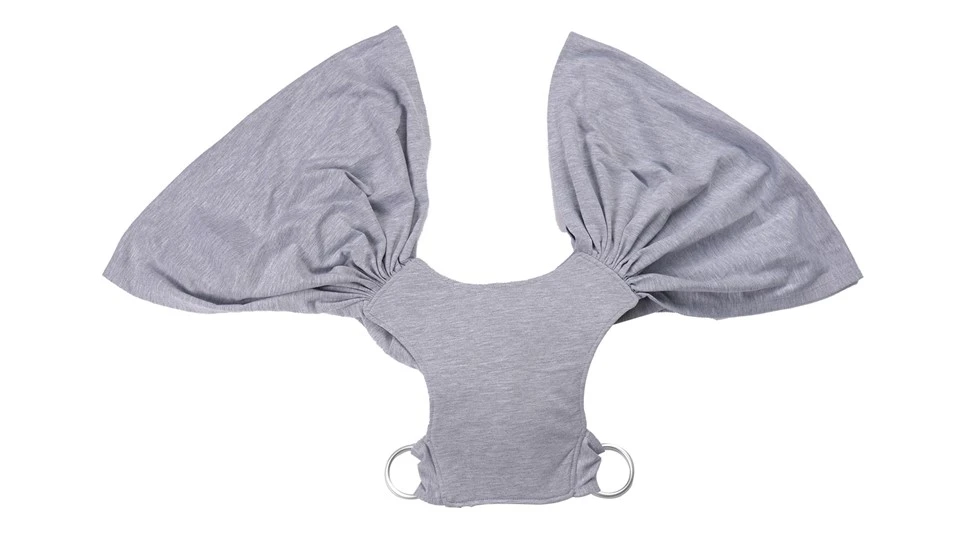

In addition to physical support, a baby hip carrier also provides psychological support for the baby's head. Being close to the caregiver's body and having a stable head position can make the baby feel safe and secure. This sense of security is crucial for the baby's emotional development.
As a baby hip carrier supplier, I'm always looking for ways to improve the support our carriers provide. We conduct regular research and development to ensure that our products meet the highest standards of safety and comfort. We also listen to feedback from parents and caregivers to make necessary adjustments.
If you're in the market for a baby hip carrier that provides excellent head support, I encourage you to explore our range of products. We have a variety of carriers to suit different needs and preferences. Whether you're a new parent looking for a carrier for your newborn or a seasoned caregiver in need of an upgrade, we've got you covered.
If you have any questions or would like to discuss our products further, please don't hesitate to reach out. We're here to help you make the best choice for your little one. Contact us to start a procurement discussion and find the perfect baby hip carrier for your family.
References
American Academy of Pediatrics. (2020). Safe Sleep for Your Baby.
Mayo Clinic. (2021). Infant Development: Milestones from 0 to 3 Months.