

When it comes to pregnancy, every woman's body experiences a unique journey. As the baby grows, a woman's body undergoes significant physical changes, and one of the most common discomforts is the added strain on the lower back and abdomen. This is where a maternity support belly belt can be a game - changer. But the question is, when should you start using one?
Understanding the Function of a Maternity Support Belly Belt
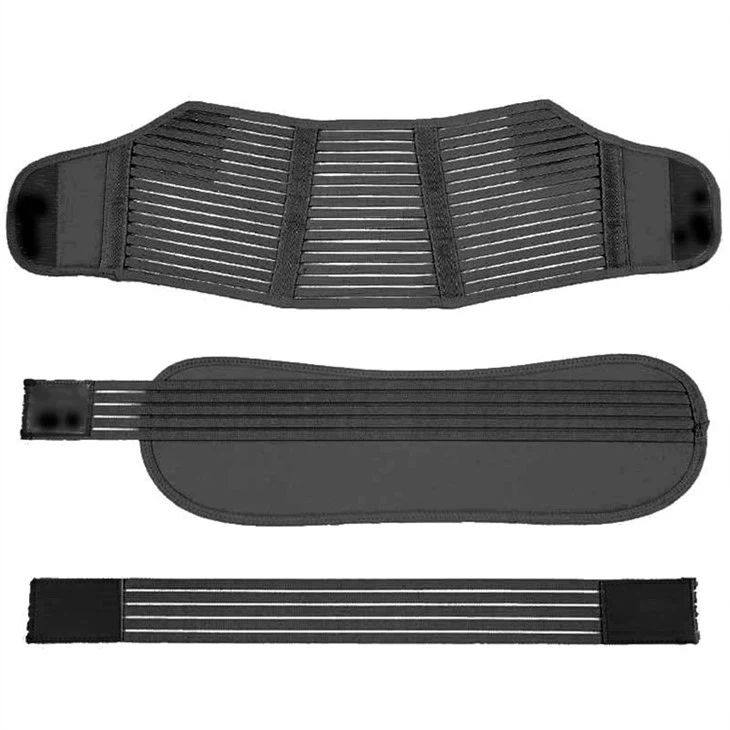
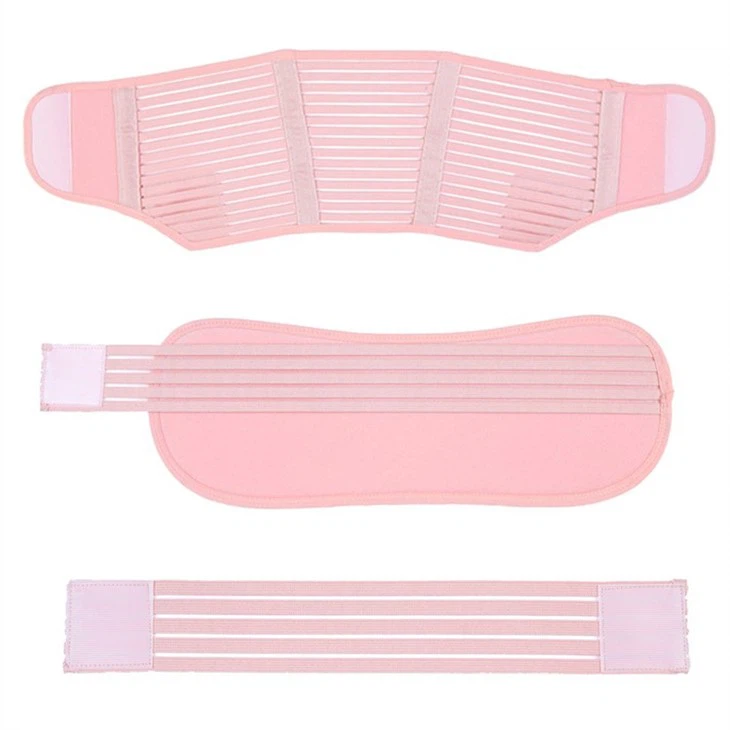
Before diving into the optimal time to start using a maternity support belly belt, it's essential to understand what it does. A maternity support belly belt is designed to provide gentle support to the growing belly. It helps distribute the weight of the baby more evenly across the body, reducing the pressure on the lower back and pelvic area. This can alleviate pain, improve posture, and even make daily activities more comfortable for expectant mothers.
Early Pregnancy: Is It Necessary?
In the early stages of pregnancy, typically during the first trimester, most women may not feel the need for a maternity support belly belt. The baby is still relatively small, and the physical changes to the body are not as pronounced. However, some women may experience pelvic pain or lower back discomfort even in the early weeks due to hormonal changes that loosen the ligaments in the body.
If you're one of those women who start feeling discomfort early on, a maternity support belly belt can be a viable option. Our Maternity Support Belly Belt is designed to be adjustable and comfortable, providing just the right amount of support even in the early stages of pregnancy. It can be worn discreetly under clothing, so you don't have to worry about it being noticeable.
Second Trimester: A Common Starting Point
The second trimester, which starts around the 13th week of pregnancy, is when many women start to notice a significant change in their body shape. The baby is growing rapidly, and the belly begins to expand. This is often the time when the added weight starts to put pressure on the lower back and pelvic area.
As your center of gravity shifts, you may find yourself adjusting your posture to compensate. This can lead to muscle fatigue and pain. A maternity support belly belt can help counteract these effects. It provides external support to the abdomen, taking some of the load off your back muscles. Our 2 in 1 Maternity Belt is a great option for the second trimester. It offers dual - function support, allowing you to adjust the level of support as your belly grows.
During the second trimester, you may also start to engage in more physical activities. Whether it's walking, prenatal yoga, or light exercise, a maternity support belly belt can enhance your comfort and stability. It helps you stay active and maintain a healthy lifestyle during pregnancy.
Third Trimester: Maximum Benefits
The third trimester is when the baby is at its largest, and the physical demands on your body are at their peak. You may experience increased back pain, pelvic pressure, and even difficulty walking or standing for long periods. This is when a maternity support belly belt becomes almost essential.
Our 3 in 1 Maternity Belt is specifically designed for the third trimester. It offers comprehensive support to the abdomen, lower back, and pelvic area. The adjustable straps allow you to customize the fit, ensuring maximum comfort as your body continues to change.
In addition to providing physical support, a maternity support belly belt can also have psychological benefits during the third trimester. As you approach the due date, you may feel more anxious and stressed about the upcoming birth. The sense of security and support provided by the belt can help alleviate some of these feelings, allowing you to focus on the positive aspects of pregnancy.
Factors to Consider
While the general guidelines suggest starting to use a maternity support belly belt in the second trimester, there are several factors that can influence the decision.
- Body Type: Women with a smaller frame or those who have a history of back problems may need to start using a belt earlier. The added weight of the baby can put more strain on their bodies, and early support can prevent pain and discomfort.
- Activity Level: If you're an active woman who continues to exercise or work during pregnancy, you may benefit from a maternity support belly belt sooner. It can help you stay active and reduce the risk of injury.
- Multiple Pregnancies: Women carrying twins or multiples may experience more significant physical changes earlier in pregnancy. They may need to start using a support belt as early as the first trimester to manage the additional weight.
Choosing the Right Maternity Support Belly Belt
When choosing a maternity support belly belt, there are several things to keep in mind. Look for a belt that is made from breathable materials to prevent overheating and skin irritation. It should also be adjustable, so you can customize the fit as your belly grows.
Our range of maternity support belly belts is designed with these features in mind. We understand the unique needs of expectant mothers, and our products are tested for quality and comfort. Whether you're in the early stages of pregnancy or approaching the due date, we have a belt that can provide the support you need.
Conclusion and Call to Action
In conclusion, the ideal time to start using a maternity support belly belt varies from woman to woman. While the second trimester is a common starting point, some women may benefit from using it earlier, especially if they experience discomfort in the first trimester. The third trimester is when the benefits of a support belt are most pronounced, as the baby is at its largest and the physical demands on the body are high.
If you're a retailer or a distributor interested in stocking our high - quality maternity support belly belts, we invite you to contact us for a procurement discussion. We offer competitive pricing, excellent customer service, and a wide range of products to meet the needs of your customers.
References
- American College of Obstetricians and Gynecologists. (2023). Exercise During Pregnancy and the Postpartum Period.
- Mayo Clinic. (2023). Pregnancy: Staying Active.


