


Why Choose Us ?
High Quality
We are committed to providing the highest quality mother and baby products. Our products undergo rigorous testing to ensure they meet the highest industry standards. We use only premium materials that are safe and gentle for both mothers and babies.
Extensive Product
We offer a wide range of mother and baby products to cater to all your needs. From maternity wear and nursing accessories to baby diapers and feeding essentials, we have everything you need for a comfortable and convenient parenting journey.
Competitive Price
We understand the importance of affordability, especially when it comes to baby products. Therefore, we strive to offer competitive prices without compromising on the quality of our products.
One stop Solution
We have a dedicated customer service team that is available to assist you with any queries or concerns. We value your feedback and are constantly striving to improve our services to ensure your satisfaction.
What is a Pelvic Brace Belt?
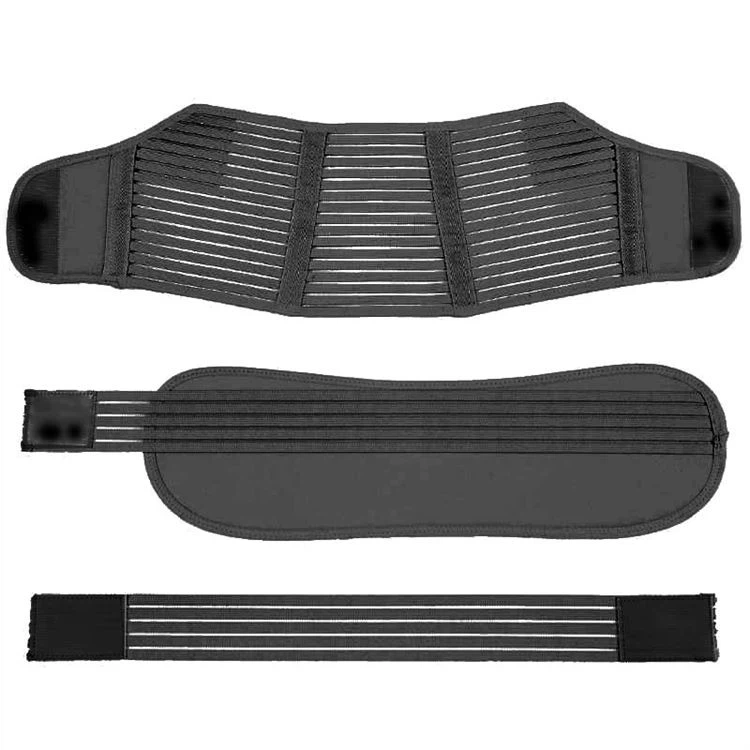
A pelvic brace belt, also referred to as a pelvic support belt or a pelvic girdle belt, is a medical device designed to provide stabilization and support to the pelvic area. It is commonly used by individuals who suffer from conditions that affect the integrity and stability of the pelvis, such as pelvic girdle pain (PGP), symphysis Pubis Dysfunction (SPD), or after certain pelvic surgeries.


Benefits of Pelvic Brace Belt
Stability and Support
One of the main advantages of using a pelvic brace belt is the stability and support it provides to the pelvis. This belt is designed to hold the pelvis in place, reducing excessive movement and providing support to the surrounding muscles and joints.
Pain Relief
The pelvic brace belt can help alleviate pain in the lower back, hips, and groin area. It provides compression and support to the affected area, helping to reduce inflammation and discomfort. This makes it an effective tool for individuals suffering from conditions such as sacroiliac joint dysfunction or pelvic girdle pain.
Posture Correction
Poor posture can lead to various musculoskeletal problems, including pelvic misalignment. By wearing a pelvic brace belt, individuals can improve their posture and maintain proper alignment of the pelvis. This not only reduces the risk of injury but also promotes overall spinal health.
Postpartum Recovery
After childbirth, women often experience pelvic instability and discomfort. A pelvic brace belt can be particularly beneficial during the postpartum period, providing support to the weakened pelvic muscles and assisting in the recovery process. It can also help alleviate pain associated with diastasis recti, a separation of the abdominal muscles during pregnancy.
Sports Performance Enhancement
Athletes involved in activities that require significant pelvic stability, such as running, jumping, or lifting weights, can benefit from wearing a pelvic brace belt. It offers added support to the pelvis, reducing stress on the muscles and joints, and improving overall stability and performance.
Pregnancy Support
Pregnant women often experience discomfort and pain in the pelvic area due to the increased weight and pressure on the pelvis. A pelvic brace belt can help alleviate these symptoms by providing support to the pelvic region, reducing strain on the ligaments and muscles.
Injury Prevention
Individuals at risk of pelvic injuries, such as those involved in high-impact sports or labor-intensive jobs, can greatly benefit from wearing a pelvic brace belt. It helps stabilize the pelvis, reducing the risk of injury and promoting proper body mechanics during physical activities.

Types of Pelvic Brace Belt
Sacroiliac belt: This type of pelvic brace belt specifically targets the sacroiliac joints, which are located at the bottom of the spine. It helps to stabilize and support these joints, providing relief from pain and discomfort in the lower back and pelvic area.
Maternity belt: Designed to provide support during pregnancy, maternity belts help to alleviate the extra strain on the pelvis and lower back. They provide gentle compression and support to the abdominal and pelvic regions, helping to reduce pain and support the growing belly.
Trochanteric belt: This belt focuses on the trochanteric area, which is the bony prominence on the side of the hip. It provides support and stability to the hips, helping to alleviate pain and discomfort caused by conditions such as bursitis, tendonitis, or hip instability.
Compression belt: Compression belts are designed to provide compression and support to the entire pelvic region. They can help improve stability and reduce pain caused by conditions such as sacroiliac joint dysfunction, pubic symphysis dysfunction, or pelvic organ prolapse.
Postpartum belt: After childbirth, a postpartum belt can provide support and compression to the pelvic and abdominal areas. This helps to promote healing, reduce pain, and provide support to the weakened muscles and ligaments in the pelvic region.
Sports belt: Athletes or individuals involved in activities that put strain on the pelvic area can benefit from using a sports belt. These belts provide targeted support to the pelvis, helping to prevent injuries, reduce pain, and improve performance.
Hernia belt: Designed specifically for individuals suffering from hernias in the pelvic region, these belts help to support and hold the hernia in place. They provide compression and alleviate pain, allowing individuals to perform daily activities without discomfort.
Adjustable belt: Adjustable pelvic brace belts come with straps or fasteners that can be adjusted according to individual needs. This allows for a customized fit, providing optimal support and comfort.
Breathable belt: Some pelvic brace belts are made from breathable materials, allowing for airflow and preventing excessive sweating or discomfort during extended wear.
Lightweight belt: Lightweight pelvic brace belts are designed to be less bulky and more comfortable for everyday use. They provide the necessary support and stability without causing any restrictions in movement.

Material of Pelvic Brace Belt
Neoprene: Neoprene is a popular material used in the manufacturing of pelvic brace belts due to its excellent elasticity, durability, and resistance to wear and tear. It provides the necessary support and stability to the pelvic region, helping to alleviate pain and discomfort associated with pelvic injuries or conditions. Neoprene is also waterproof and can be easily cleaned, making it a practical choice for everyday use.
Breathable Mesh: Some pelvic brace belts are made with breathable mesh materials to enhance airflow and prevent excessive sweating or discomfort during prolonged wear. The mesh allows for better ventilation, keeping the area cool and reducing moisture build-up. This is particularly beneficial for individuals who engage in physical activities or live in hot climates.
Elastic Straps: Elastic straps are often incorporated into pelvic brace belts to ensure a secure and customizable fit. These straps can be easily adjusted to accommodate different body sizes and shapes, allowing for personalized comfort and support. The elasticity of these straps also provides flexibility and allows for natural movement while still offering the necessary stability to the pelvis.
Velcro Fasteners: Many pelvic brace belts feature Velcro fasteners, which make them easy to put on and take off. Velcro is a strong and reliable fastening solution that ensures a secure fit and prevents the brace from shifting or sliding during use. It also allows for quick and hassle-free adjustment, enabling users to find their optimal level of compression and support.
Reinforced Stitching: High-quality pelvic brace belts are often constructed with reinforced stitching to enhance their durability and longevity. The reinforced stitching prevents the belt from unraveling or coming apart, even with frequent use or intense physical activity. This ensures that the belt remains intact and functional, providing consistent support to the pelvis over time.
Application of Pelvic Brace Belt
Pelvic stabilizer: The pelvic brace belt is commonly used as a pelvic stabilizer in patients with sacroiliac joint dysfunction or instability.It provides support and compression to the pelvis, helping to alleviate pain and promote healing.
Post-surgical support: After pelvic surgery, such as a hip replacement or pelvic fracture repair, a pelvic brace belt is often used to provide support and stability during the healing process.It helps to immobilize the pelvis and prevent excessive movement, reducing the risk of complications and promoting successful recovery.
Pregnancy support: Pregnant women often experience pelvic pain or instability due to hormonal changes and increased weight bearing.Wearing a pelvic brace belt during pregnancy can help to alleviate discomfort, provide support to the pelvis, and promote better alignment of the hips and spine.
Sports injury prevention: Athletes participating in sports that require repetitive movements or involve the pelvis, such as running or soccer, may benefit from wearing a pelvic brace belt.It helps to stabilize the pelvis and prevent excessive movement, reducing the risk of strain, sprains, or other sports-related injuries.
Rehabilitation and physical therapy: Pelvic brace belts can be used as a part of rehabilitation programs to aid in the recovery from pelvic injuries or conditions.They provide targeted support and compression, facilitating healing and allowing patients to perform exercises and movements with reduced pain and improved stability.
The Using Steps of Pelvic Brace Belt

Step 1: Choose the Right Size
● Refer to the sizing chart provided by the manufacturer to find the appropriate size.
● Select the size that corresponds to your waist measurement for a proper fit.
Step 2: Adjust the Belt for Comfort
● Position the belt around your waist, making sure the center panel is aligned with your lower back and pelvic region.
● Fasten the belt securely but comfortably around your waist.
● Use the adjustable straps to tighten or loosen the belt as needed for a snug fit.
Step 3: Positioning for Optimal Support
● Pull the front part of the pelvic brace belt upward, ensuring it is positioned just below your belly button.
● Ensure the belt is centered on your lower back and pelvic area for proper support.
Step 4: Engaging the Supportive Function
● Make sure the support is evenly distributed around your waist and pelvic region.
● Adjust the tightness as per your comfort level, ensuring adequate support without discomfort or restriction of movement.
Step 5: Wearing Duration and Maintenance
● Follow the instructions provided by the manufacturer regarding recommended wearing duration for optimal results and safety.
● To maintain the belt's effectiveness and longevity, clean it regularly as per the manufacturer's guidelines.
● Store the pelvic brace belt in a cool, dry place away from direct sunlight when not in use.
The Considerations for Buying Pelvic Brace Belt
Size and Fit: When buying a pelvic brace belt, it is crucial to consider the size and fit of the product. The belt should be adjustable and available in different sizes to accommodate various body types. It should provide a snug and comfortable fit without being too restrictive or loose.
Material: The material used in the construction of the pelvic brace belt is another important aspect to consider. It should be made of high-quality, durable, and breathable materials to ensure maximum comfort and support. Look for belts that are made of neoprene or elastic materials with strong stitching for added durability.
Support Level: Different pelvic brace belts offer varying levels of support. It is necessary to determine the level of support needed based on the severity of the condition or injury. Some belts offer light support for minor discomfort, while others provide more substantial support for injuries or post-operative recovery. Consult with a healthcare professional to assess the appropriate support level required.
Ease of Use: A good pelvic brace belt should be easy to put on and adjust. Look for belts that come with Velcro or adjustable straps for a customized fit. Avoid complicated mechanisms or difficult-to-adjust belts that may be cumbersome to use, particularly for individuals with limited mobility.
Design and Style: While the primary focus should be on functionality, it doesn't hurt to consider the design and style of the pelvic brace belt. Choose a belt that can be discreetly worn under clothing, if desired, without causing any discomfort. Some belts come in a variety of colors or patterns, allowing individuals to express their personal style while receiving the necessary support.
Pricing: Pricing is an important factor to consider when buying a pelvic brace belt. However, it should not be the sole determining factor. Quality and functionality should be the primary considerations. Look for belts that offer a balance between affordability and effectiveness. It is advisable to compare prices from different brands and read reviews to make an informed decision.
Customer Reviews: Before purchasing a pelvic brace belt, take the time to read customer reviews. Feedback from other individuals who have used the product can provide valuable insights into its effectiveness, durability, and overall user experience. Consider both positive and negative reviews to get a comprehensive understanding.
Clean regularly: It is important to clean your pelvic brace belt regularly to keep it free from dirt, sweat, and bacteria. Start by removing any removable parts or accessories and follow the manufacturer's instructions for cleaning. If the belt is machine washable, use a gentle cycle with mild detergent. If not, hand wash it in lukewarm water and mild soap. Rinse thoroughly and air dry completely before using again.
Avoid excessive heat: Pelvic brace belts are often made from materials that can be damaged by excessive heat. Avoid placing the belt near direct heat sources such as heaters or expose it to the sun for long periods. High heat can cause the materials to deteriorate, leading to decreased effectiveness and compromised durability.
Store properly: When not in use, store your pelvic brace belt in a cool and dry place. Avoid folding or creasing the belt as it can damage the structural integrity. If the belt came with a storage bag or case, use it to protect the belt from dust and moisture.
Check for wear and tear: Regularly inspect your pelvic brace belt for any signs of wear and tear. Look for frayed edges, loose stitching, or any other damage that could compromise its functionality. If you notice any issues, contact the manufacturer for repair or replacement options.
Adjust and secure properly: When wearing the pelvic brace belt, make sure it is adjusted and secured properly for optimal support. Follow the instructions provided by the manufacturer to ensure the belt fits snugly and provides the desired level of support without causing discomfort or restricting movement.
Avoid sharp objects: Be cautious when using or handling sharp objects around your pelvic brace belt. Accidental cuts or punctures can damage the materials and compromise the effectiveness of the belt. If any sharp object accidentally comes into contact with the belt, carefully inspect it for any damage and consider contacting the manufacturer for further guidance.
Follow usage guidelines: Each pelvic brace belt may have specific usage guidelines provided by the manufacturer. Read and follow these guidelines to ensure proper usage and maintenance. Overusing or misusing the belt can lead to discomfort, irritation, or reduced effectiveness.
Our Factory
Established in 2010, Honey Babee has been committed to providing the best products and services to our customers. We are proud to have obtained various certifications such as CE, CPC, sedex, and ISO13485, ensuring that our products meet the highest safety and quality.


Frequently Asked Questions Pelvic Brace Belt
Q: How long can you wear a pelvic belt?
Q: How tight should a pelvic belt be?
Q: Are pelvic support belts safe?
Q: Can you wear a pelvic support belt at night?
Q: What does a pelvic support belt do?
Q: Who can benefit from wearing a pelvic brace belt?
Q: How does a pelvic brace belt work?
Q: Can I wear a pelvic brace belt during pregnancy?
Q: Is a pelvic brace belt adjustable?
Q: Can I wear a pelvic brace belt while exercising?
Q: Can wearing a pelvic brace belt cause any side effects?
Q: Can I wear the pelvic brace belt over clothing?
Q: How often should I wear a pelvic brace belt?
Q: Can I sleep with a pelvic brace belt?
Q: How do I wash a pelvic brace belt?
Q: Can I wear a pelvic brace belt while driving?
Q: Can I wear a pelvic brace belt all day?
Q: Can a pelvic brace belt be used as a long-term solution?
Q: What is a pelvic brace belt?
Q: Are there any exercises or stretches that can complement wearing a pelvic brace belt?
Hot Tags: pelvic brace belt, China pelvic brace belt manufacturers, suppliers, Mommy Bag and Diaper Bag, 2 in 1 Maternity Belt, Baby Sleep Bag, Baby Swaddle Blanket Wrap, Front And Back Baby Waist Stool, Maternity Belly Support with Shoulder Strap


