

Can a 3 in 1 Abdominal Belly Belt be used by people with urinary tract infections?
As a supplier of the 3 in 1 Abdominal Belly Belt, I often receive various inquiries from customers. One question that has come up recently is whether people with urinary tract infections (UTIs) can use our 3 in 1 Abdominal Belly Belt. In this blog post, I will explore this topic in detail based on scientific knowledge and relevant considerations.
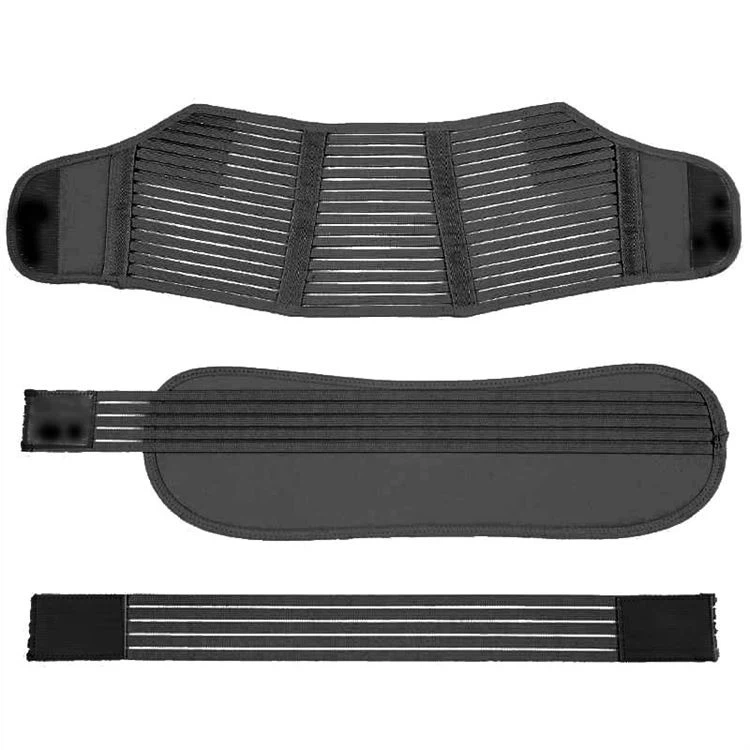
First, let's understand what a 3 in 1 Abdominal Belly Belt is. Our 3 in 1 Abdominal Belly Belt is a multi - functional product designed to provide support to the abdominal area. It can be used during pregnancy, postpartum recovery, and for general abdominal support. The belt helps to relieve back pain, support the pelvic area, and promote proper posture. It is made of high - quality materials that are breathable and comfortable to wear for extended periods.
Urinary tract infections are a common health issue, especially among women. A UTI occurs when bacteria enter the urinary tract and multiply, causing inflammation and discomfort. Symptoms of a UTI can include a frequent urge to urinate, pain or burning during urination, cloudy or strong - smelling urine, and pelvic pain.
Now, let's consider whether using a 3 in 1 Abdominal Belly Belt is suitable for people with UTIs.

Potential Benefits
- Abdominal Support: For some people with UTIs, there may be associated pelvic or abdominal discomfort. The 3 in 1 Abdominal Belly Belt can provide gentle support to the abdominal muscles, which may help to alleviate some of this discomfort. By supporting the abdominal area, it can also take some pressure off the pelvic region, potentially reducing the sensation of pain.
- Posture Improvement: Maintaining good posture is important for overall health, especially when dealing with a UTI. The belt can help to correct posture by pulling the shoulders back and aligning the spine. This can improve blood circulation and may have a positive impact on the body's ability to fight off the infection.
Potential Concerns
- Restricted Blood Flow: Wearing a tight abdominal belt for an extended period may restrict blood flow in the pelvic area. Adequate blood flow is crucial for the immune system to function properly and for the body to clear the infection. If the belt is too tight, it could potentially impede blood circulation to the urinary tract, which may slow down the healing process.
- Increased Moisture and Heat: The belt may trap moisture and heat around the abdominal area. Bacteria thrive in warm, moist environments, and this could potentially exacerbate the UTI. It is important to ensure that the belt is made of breathable materials and that proper hygiene is maintained.
Recommendations
- Consult a Healthcare Provider: Before using the 3 in 1 Abdominal Belly Belt if you have a UTI, it is highly recommended to consult your healthcare provider. They can assess your specific condition and provide personalized advice based on your health status.
- Choose the Right Fit: If your healthcare provider gives the green light to use the belt, make sure to choose the right size. The belt should be snug but not overly tight. It should provide support without restricting blood flow or causing discomfort.
- Maintain Hygiene: Keep the belt clean and dry. Wash it regularly according to the manufacturer's instructions. Also, make sure to keep the abdominal area clean to prevent the growth of bacteria.
In addition to the 3 in 1 Abdominal Belly Belt, we also offer other related products such as the Postpartum Belly Band and the Pelvic Brace Belt. These products are designed to provide support during different stages of pregnancy and postpartum recovery.
If you are interested in our products, whether you are a retailer looking to stock our 3 in 1 Abdominal Belly Belt or an individual seeking a high - quality abdominal support solution, we welcome you to contact us for procurement and negotiation. We are committed to providing the best products and services to meet your needs.
References
- Mayo Clinic. "Urinary tract infection (UTI) - Symptoms and causes." Available at: [Mayo Clinic Website]
- American Urological Association. "Understanding Urinary Tract Infections." Available at: [AUA Website]


