

Hey there! As a supplier of Pelvic Brace Belts, I've been getting a lot of questions lately about whether they can be used for pelvic floor muscle imbalance. So, I thought I'd dive deep into this topic and share some insights.
First off, let's talk about what pelvic floor muscle imbalance is. The pelvic floor muscles are a group of muscles that support the pelvic organs, including the bladder, uterus, and rectum. When these muscles become imbalanced, it can lead to a variety of issues such as urinary incontinence, pelvic pain, and even sexual dysfunction. There are several factors that can contribute to pelvic floor muscle imbalance, including pregnancy and childbirth, aging, obesity, and certain medical conditions.
Now, the big question: Can a pelvic brace belt help with pelvic floor muscle imbalance? Well, the answer isn't a simple yes or no. A pelvic brace belt, like the ones we offer at [our unnamed company], is designed to provide support to the pelvis and lower back. It works by applying gentle compression to the pelvic area, which can help alleviate pain and discomfort associated with various pelvic issues.
One of the ways a pelvic brace belt can potentially help with pelvic floor muscle imbalance is by providing external support. When the pelvic floor muscles are imbalanced, they may not be able to provide adequate support to the pelvic organs on their own. A pelvic brace belt can step in and fill that gap, reducing the strain on the weakened muscles. This can give the muscles a chance to rest and recover, which may ultimately help improve the imbalance.
For example, during pregnancy, a woman's body undergoes significant changes, including hormonal fluctuations and a shift in weight distribution. These changes can put extra stress on the pelvic floor muscles, often leading to imbalance. Wearing a Pelvic Brace Belt during pregnancy can help support the pelvis and reduce the pressure on the pelvic floor muscles, potentially preventing or alleviating imbalance.
Another aspect is that a pelvic brace belt can help improve posture. Poor posture can contribute to pelvic floor muscle imbalance by putting uneven pressure on the muscles. By providing support to the lower back and pelvis, a pelvic brace belt can encourage better alignment of the spine and pelvis. This, in turn, can help distribute the load more evenly across the pelvic floor muscles, reducing the likelihood of imbalance.

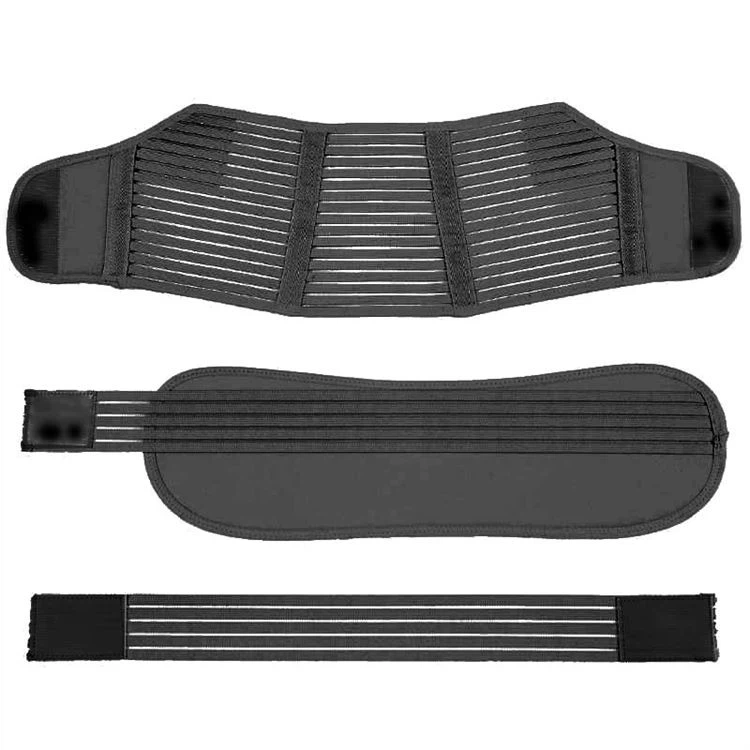
However, it's important to note that a pelvic brace belt is not a cure-all for pelvic floor muscle imbalance. It's just one tool in the toolkit. Physical therapy, including exercises specifically targeting the pelvic floor muscles, is often a crucial part of treating pelvic floor muscle imbalance. These exercises can help strengthen the weakened muscles and improve their coordination. So, a pelvic brace belt should be used in conjunction with other recommended treatments.
There are different types of pelvic support belts available in the market. One type is the Pelvic Compression Belt. It's similar to a pelvic brace belt but may have a different design and level of compression. Some women may find one type more comfortable or effective than the other depending on their specific needs.
When choosing a pelvic brace belt, there are a few things to keep in mind. First, make sure it fits properly. A belt that's too tight can cause discomfort and may even restrict blood flow, while a belt that's too loose won't provide adequate support. Most of our belts come in different sizes, so you can find the one that fits you best. Also, look for a belt made from high - quality, breathable materials. This will ensure that you can wear it for extended periods without feeling too hot or irritated.
Our Pelvic Brace Belt is manufactured with the highest standards in mind. We use premium materials that are both comfortable and durable. Our design team has worked hard to create a belt that provides the right amount of support while being discreet and easy to wear under clothing.
In addition to pregnant women, there are other groups of people who may benefit from using a pelvic brace belt for pelvic floor muscle imbalance. Athletes, especially those who engage in high - impact sports such as running or jumping, can put a lot of stress on their pelvic floor muscles. A pelvic brace belt can help provide support during physical activity and reduce the risk of imbalance or injury.
Post - menopausal women may also experience pelvic floor muscle imbalance due to hormonal changes. Wearing a pelvic brace belt can help alleviate some of the discomfort and provide support to the pelvic area.
If you're a retailer or a distributor interested in purchasing our pelvic brace belts, we'd love to talk to you. We offer competitive pricing, high - quality products, and excellent customer service. Whether you're looking to add our products to your existing inventory or start a new line, we can work with you to meet your needs.
In conclusion, while a pelvic brace belt isn't a magic solution for pelvic floor muscle imbalance, it can be a valuable addition to a treatment plan. It can provide support, improve posture, and reduce discomfort. If you have any further questions or are interested in learning more about our products, don't hesitate to reach out to us. Let's discuss how we can work together to bring these beneficial products to those who need them.
References
- American Physical Therapy Association. (2023). Pelvic Floor Rehabilitation.
- Mayo Clinic. (2023). Pelvic Floor Disorders.


