

Sciatica during pregnancy is a common and often painful condition that many expectant mothers face. It is characterized by pain that radiates along the path of the sciatic nerve, which runs from the lower back through the hips and buttocks and down each leg. The pain can range from a mild ache to a sharp, shooting sensation, and it can significantly impact a woman's quality of life during pregnancy. As a supplier of Maternity Support Belly Belts, I've seen firsthand the potential benefits these products can offer in alleviating sciatica symptoms. In this blog, we'll explore the question: Do maternity support belly belts help with sciatica during pregnancy?
Understanding Sciatica in Pregnancy
Before delving into the potential benefits of maternity support belly belts, it's essential to understand why sciatica occurs during pregnancy. As the baby grows, the uterus expands, putting additional pressure on the pelvic area and lower back. This increased pressure can compress the sciatic nerve, leading to pain and discomfort. Hormonal changes during pregnancy also play a role, as they can cause the ligaments in the pelvis to loosen, which may further contribute to nerve compression.
Other factors that can increase the risk of developing sciatica during pregnancy include a pre - existing lower back condition, a history of sciatica, and a sedentary lifestyle. The pain associated with sciatica can make it difficult for pregnant women to perform daily activities such as walking, sitting, or standing for extended periods.
How Maternity Support Belly Belts Work
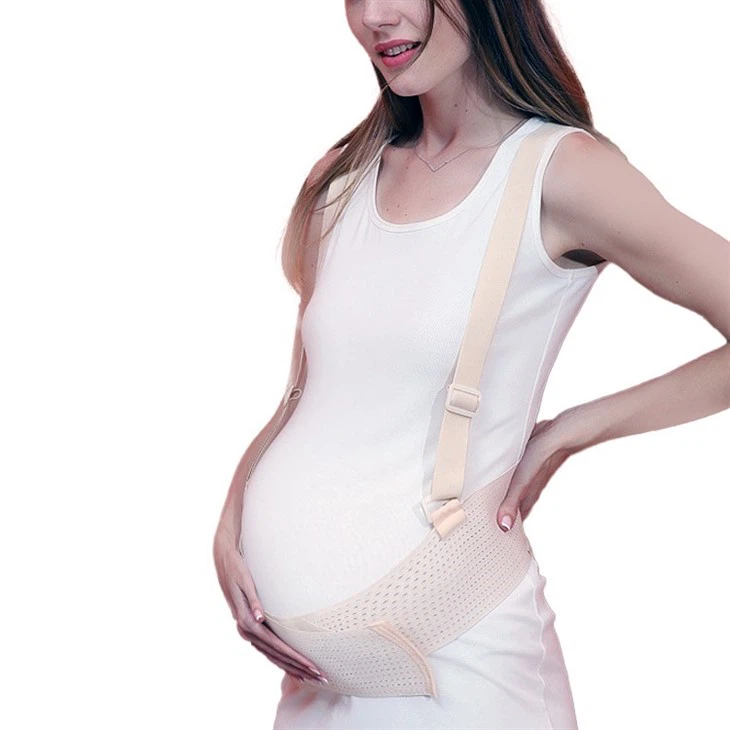
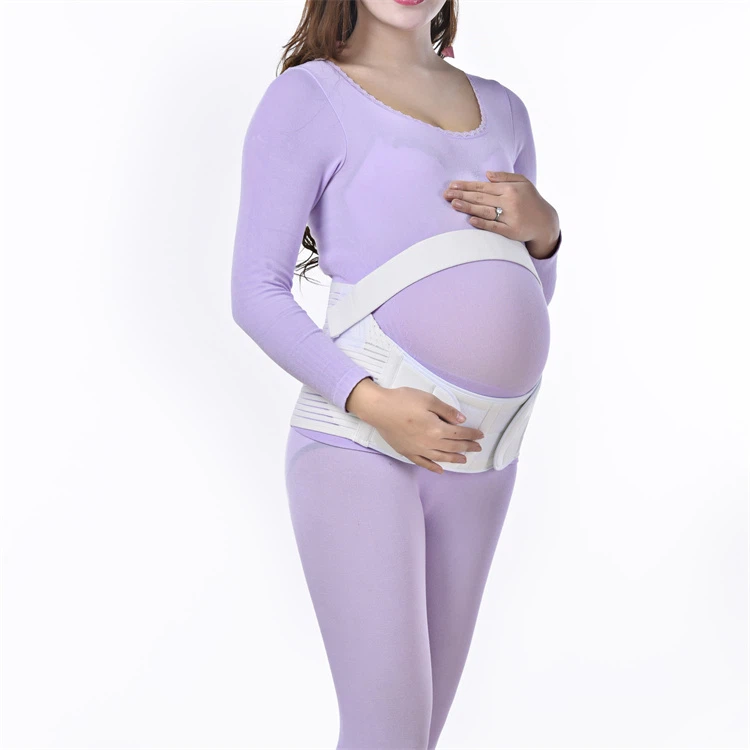
Maternity support belly belts are designed to provide additional support to the growing belly during pregnancy. They typically wrap around the abdomen and are adjustable to accommodate the changing size of the belly as the pregnancy progresses. These belts are made from a variety of materials, including elastic, neoprene, and fabric blends, and they come in different styles and designs.
One of the primary ways that maternity support belly belts work is by redistributing the weight of the baby and the uterus. By providing external support to the abdomen, the belt helps to take some of the pressure off the lower back and pelvic area. This can help to relieve the compression on the sciatic nerve, reducing the pain and discomfort associated with sciatica.
In addition to weight redistribution, maternity support belly belts can also help to improve posture. During pregnancy, the center of gravity shifts forward, which can cause pregnant women to adopt a hunched or slouched posture. This poor posture can exacerbate the pressure on the sciatic nerve. A maternity support belly belt can help to pull the shoulders back and align the spine, promoting better posture and reducing the strain on the lower back.
Evidence Supporting the Use of Maternity Support Belly Belts for Sciatica
While there is limited scientific research specifically focused on the use of maternity support belly belts for sciatica during pregnancy, there is some evidence to suggest that they can be beneficial. A number of studies have shown that wearing a maternity support belt can help to reduce lower back pain during pregnancy. Since sciatica is often related to lower back issues, it is reasonable to assume that the same benefits may apply to sciatica pain.
For example, a study published in the Journal of Obstetrics and Gynaecology Canada found that pregnant women who wore a maternity support belt reported a significant reduction in lower back pain compared to those who did not wear a belt. Another study in the European Journal of Obstetrics & Gynecology and Reproductive Biology showed that the use of a maternity support belt improved posture and reduced the pressure on the lower back muscles.
Different Types of Maternity Support Belly Belts
There are several types of maternity support belly belts available on the market, each with its own unique features and benefits.
- Maternity Support Belly Belt: The classic maternity support belly belt is a simple, elastic belt that wraps around the abdomen. It provides basic support to the belly and can be adjusted to fit the changing size of the belly. You can find a great selection of these belts at Maternity Support Belly Belt.
- Maternity Belly Support with Shoulder Strap: This type of belt comes with shoulder straps, which provide additional support and stability. The shoulder straps help to distribute the weight of the belly more evenly across the upper body, further reducing the pressure on the lower back. Check out our Maternity Belly Support with Shoulder Strap for more details.
- 3 in 1 Maternity Belt: A 3 in 1 maternity belt is a versatile option that can be used in different ways. It can be worn as a traditional belly support belt, a pelvic support belt, or a post - partum recovery belt. This type of belt offers multiple functions and can be used throughout different stages of pregnancy and after childbirth. You can explore our 3 in 1 Maternity Belt for more information.
Tips for Using Maternity Support Belly Belts
If you're considering using a maternity support belly belt to help with sciatica during pregnancy, here are some tips to keep in mind:
- Choose the Right Size: It's important to choose a belt that fits properly. A belt that is too tight can be uncomfortable and may even cause more harm than good, while a belt that is too loose will not provide adequate support. Most maternity support belly belts are adjustable, so you can find the right fit as your belly grows.
- Wear it Correctly: Make sure to wear the belt in the right position. It should be positioned under the belly, just above the hips. Avoid wearing the belt too high or too low, as this can affect its effectiveness.
- Use it at the Right Time: You can wear the belt throughout the day, but it may be especially helpful when you are performing activities that put extra strain on your lower back, such as walking, standing, or sitting for long periods.
- Combine with Other Treatments: While maternity support belly belts can be helpful, they are not a substitute for other treatments. You may also want to consider other methods such as gentle exercise, physical therapy, and prenatal massage to help manage sciatica pain during pregnancy.
Real - Life Experiences
Many pregnant women who have used maternity support belly belts to manage sciatica during pregnancy have reported positive results. Sarah, a mother of two, shared her experience: "I suffered from severe sciatica during my second pregnancy. Walking was extremely painful, and I couldn't sleep at night. A friend recommended a maternity support belly belt, and it was a game - changer. The belt took the pressure off my lower back, and I could finally move around more comfortably. I wore it every day, and it really helped me get through the last few months of my pregnancy."
Another mother, Emily, said, "I was skeptical at first, but after trying a maternity support belly belt, I noticed a significant reduction in my sciatica pain. It was easy to wear and adjust, and it made a big difference in my daily life."
Conclusion and Call to Action
Based on the available evidence and real - life experiences, it appears that maternity support belly belts can be a helpful tool in managing sciatica during pregnancy. By redistributing weight, improving posture, and reducing pressure on the lower back and pelvic area, these belts can provide relief from the pain and discomfort associated with sciatica.
If you're a retailer or distributor interested in offering high - quality maternity support belly belts to your customers, we'd love to hear from you. Our range of products, including the Maternity Support Belly Belt, Maternity Belly Support with Shoulder Strap, and 3 in 1 Maternity Belt, is designed to meet the needs of pregnant women. We offer competitive pricing, excellent customer service, and fast shipping. Contact us today to start a procurement discussion and bring these beneficial products to your market.
References
- Journal of Obstetrics and Gynaecology Canada. (Year). "Effect of Maternity Support Belts on Lower Back Pain During Pregnancy".
- European Journal of Obstetrics & Gynecology and Reproductive Biology. (Year). "The Impact of Maternity Support Belts on Posture and Lower Back Muscle Pressure".


